Product Details
Product Description
Product Description
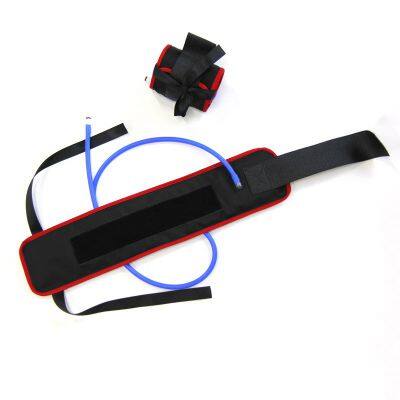
Medical Tourniquet Cuff
A medical pneumatic tourniquet is a device used to control blood flow to a limb by applying pressure. Here's an introduction to its key aspects:
PurposeThe primary use of a pneumatic tourniquet is to temporarily stop blood flow in a limb to provide a bloodless surgical field, control bleeding in emergencies, or manage traumatic injuries.
ComponentsCuff: The cuff is an inflatable bladder wrapped around the limb. It comes in various sizes to accommodate different limbs and patient sizes.
Pressure Source: This can be a manual pump or an automated device that inflates the cuff to a set pressure.
Pressure Gauge: This indicates the pressure inside the cuff, ensuring it is at the correct level to stop blood flow without causing damage.
Control System: In advanced models, a control unit regulates and monitors the pressure, providing alarms and safety features to prevent over-pressurization.
MechanismApplication: The cuff is placed around the limb, typically the upper arm or thigh.
Inflation: The pressure source inflates the cuff to a pre-determined pressure, compressing blood vessels and stopping blood flow to the distal part of the limb.
Monitoring: The pressure gauge or control unit ensures that the pressure is maintained within safe limits.
Deflation: After the procedure or when the bleeding is controlled, the cuff is deflated gradually to restore blood flow.
UsesSurgery: Provides a bloodless field, improving visibility and reducing blood loss.
Emergency Care: Controls severe bleeding in traumatic injuries until further medical treatment is available.
Rehabilitation: Used in certain physical therapy techniques to restrict blood flow temporarily for muscle training.
Safety ConsiderationsPressure Limits: It is crucial to set the correct pressure to avoid complications like nerve damage or tissue injury.
Duration: Prolonged use can lead to complications such as ischemia, so it's essential to monitor the duration the tourniquet is applied.
Patient Monitoring: Continuous monitoring of the patient’s limb and overall condition is necessary to detect any adverse effects early.
AdvantagesProvides a controlled and reliable method to stop blood flow.
Can be quickly applied in emergency situations.
Reduces the need for more invasive methods of blood control.
DisadvantagesRisk of complications if not used properly.
Can cause discomfort or pain.
Requires training to ensure proper use and safety.
ConclusionMedical pneumatic tourniquets are valuable tools in both surgical and emergency settings, offering effective control over blood flow with proper use and monitoring.
>>
New chip LB-LINK WN151 High Quality USB 2.4GHz 150m CE LAN Network Card Realtek WiFi Free Driver Mini USB Wireless WiFi Adapter cheap laptop wifi adapter
>>
2025 New 400cc 800cc 1000cc Electric Start Gasoline Petrol Farm EEC T3B Certificated Off Road Quad Bike 4X4 ATV for Adults
>>
Genuine Auto Spare Parts for Chevrolet Aveo D1035-7779 Brake Pad
>>
Poultech Automated Poultry Solution with Smart Farming Iot Solutions
>>
Outdoor Adults Airtight Inflatable Soccer Dart for Team Building
>>
Flat Die Biomass Groundnut Shell Pellets Making Machine
>>
Aftermarket steel Rear door for Nissan J10 Qashqai 2008 auto body parts
>>
12V 75AH Sealed Maintenance Free Car Automotive Auto Truck Battery
>>
Door Frame LVL Poplar /LVL for Bed Slat /Poplar LVL Plywood for Sofa Frame
>>
2024 TFS Large Curved Curtain for Aircraft Hanger
>>
1000kw 1250kVA Container Type Industries Diesel Power Generators by Perkins Baudouin Cummins
>>
Deaf cheap cic rechargeable invisible mini hearing aid machine prices
>>
Cnhawe Large Bending Machine CNC Press Brakes Sheet Metal Aluminum
>>
Hydraulic Cargo Elevator Made in China
>>
New Type UV Coating Line for PVC Floor Tile
>>
Jaw Crusher Supplier in Europe
>>
Agricultural Machinery Factory Sale Three Point Mounted 12-14 Disc Harrow for Mini Small Tractor
>>
1500*900mm Practical Pen Engraving Cutting Machine Pen Contour Cutting Plotter
>>
Pseudoboehmite
>>
3mm thick clear extruded color flexible acrylic sheet