Product Details
Product Description
Product Description
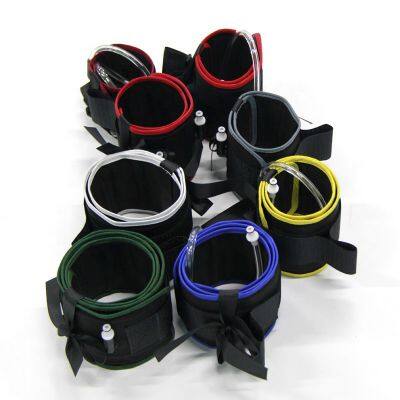
Tourniquet Cuff
A medical pneumatic tourniquet is a device used to control blood flow to a limb by applying pressure. Here's an introduction to its key aspects:
Purpose
The primary use of a pneumatic tourniquet is to temporarily stop blood flow in a limb to provide a bloodless surgical field, control bleeding in emergencies, or manage traumatic injuries.
Components
Cuff: The cuff is an inflatable bladder wrapped around the limb. It comes in various sizes to accommodate different limbs and patient sizes.
Pressure Source: This can be a manual pump or an automated device that inflates the cuff to a set pressure.
Pressure Gauge: This indicates the pressure inside the cuff, ensuring it is at the correct level to stop blood flow without causing damage.
Control System: In advanced models, a control unit regulates and monitors the pressure, providing alarms and safety features to prevent over-pressurization.
Mechanism
Application: The cuff is placed around the limb, typically the upper arm or thigh.
Inflation: The pressure source inflates the cuff to a pre-determined pressure, compressing blood vessels and stopping blood flow to the distal part of the limb.
Monitoring: The pressure gauge or control unit ensures that the pressure is maintained within safe limits.
Deflation: After the procedure or when the bleeding is controlled, the cuff is deflated gradually to restore blood flow.
Uses
Surgery: Provides a bloodless field, improving visibility and reducing blood loss.
Emergency Care: Controls severe bleeding in traumatic injuries until further medical treatment is available.
Rehabilitation: Used in certain physical therapy techniques to restrict blood flow temporarily for muscle training.
Safety Considerations
Pressure Limits: It is crucial to set the correct pressure to avoid complications like nerve damage or tissue injury.
Duration: Prolonged use can lead to complications such as ischemia, so it's essential to monitor the duration the tourniquet is applied.
Patient Monitoring: Continuous monitoring of the patient’s limb and overall condition is necessary to detect any adverse effects early.
Advantages
Provides a controlled and reliable method to stop blood flow.
Can be quickly applied in emergency situations.
Reduces the need for more invasive methods of blood control.
Disadvantages
Risk of complications if not used properly.
Can cause discomfort or pain.
Requires training to ensure proper use and safety.
Conclusion
Medical pneumatic tourniquets are valuable tools in both surgical and emergency settings, offering effective control over blood flow with proper use and monitoring.
>>
Factory supply Vacuum Sealing Packing Machine/home fish Vacuum Packing Machine
>>
Bql-198 Frozen Yogurt 3 Flavors Soft Ice Cream Machine Maker Ice Cream Making Machine
>>
Supply of comprehensive wood crusher wood pallet waste furniture crusher belt type comprehensive wood crusher
>>
Amphibious Excavator Floating Pontoon Wetland Marsh Buggy Undercarriage Pontoon
>>
AS2047 NFRC High Quality Double Glass Modern Design Aluminium Awning Tilt and Turn Window Aluminum casement windows
>>
3 Axis CNC Boring Machine for Molds (ZJA13-1310)
>>
Wholesale Disposable Bamboo Healthy Chopsticks Set With Individual Package for Restaurants Hotel
>>
Automatic Multi Function Electric Compaction Apparatus Tester Marshall Electric Impact Compaction
>>
Concrete Test Hammer (Type N)/Rebound Hammer Test
>>
Replacement Bus body kit EQ153XL B Brake master cylinder repair kit use for Chinese bus
>>
High-Efficiency Wood Pellet Machine Alfalfa Crops Straw Bagasse Pelletizer/Granulator Wood Pellet Machine Pelletizing Machine
>>
Bbq Grill Mesh Hot Sell Factory Direct Round Galvanized Iron Barbecue Bbq Grill Wire Mesh Net
>>
Small modulus brass tin bronze gear
>>
Nail Diamond Jewelry18mm Heart Pointed Bottom Drill Set
>>
Taijia single channel sandwich insertion type ultrasonic water meter hot water meter
>>
Green Chili Stem Cutting Machine/red Chilli Stem Cutting And Removing Machine
>>
Roasted peanut with red skin swing oven deal with different coated nut
>>
High Speed CNC Milling Machine Hsk63A-Fmb16 Collet Chuck
>>
Radiation detector FA-600
>>
Offline UPS 650va with LCD Display for Computer OEM/ODM Accepted